
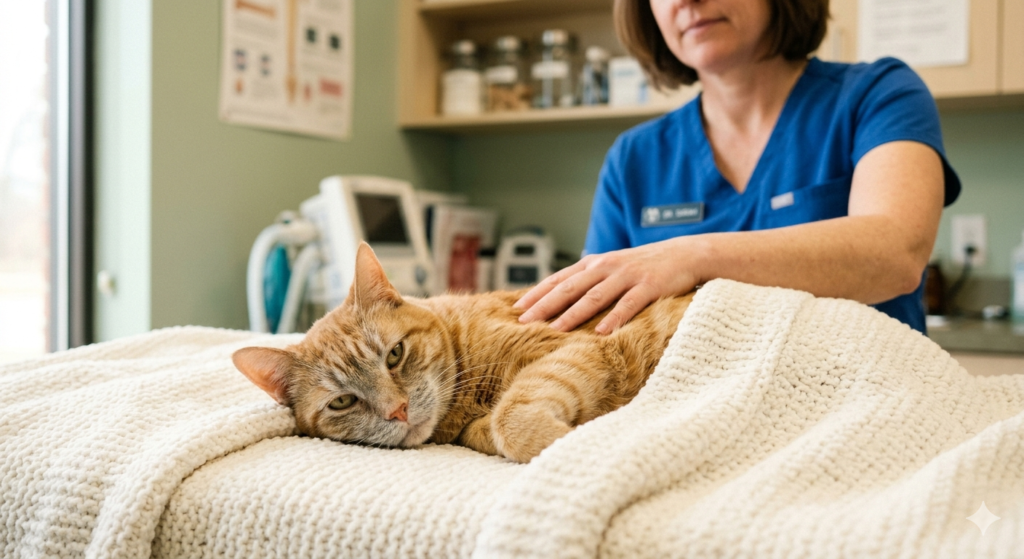
Chronic kidney disease is the most common serious medical condition in aging cats, and most owners do not realize their cat has it until the disease has already progressed significantly. By the time a cat is drinking noticeably more water, losing weight, or refusing food, the kidneys have often lost 65 to 75 percent of their function. For Sacramento cat owners searching for answers about stage 4 kidney disease in cats and what it means for their pet’s future, this guide covers IRIS staging, the symptoms that appear at each stage, treatment options that genuinely help, and the difficult quality-of-life conversation that every CKD family eventually faces. At Del Paso Veterinary Clinic, Dr. Khabra has guided hundreds of Sacramento families through the progression of feline kidney disease with honest assessments, proactive management, and compassionate support at every stage.
What Chronic Kidney Disease Actually Does to a Cat’s Body
Healthy kidneys filter waste products from the blood, regulate hydration, manage electrolyte balance, produce hormones that control blood pressure and red blood cell production, and activate vitamin D. When kidney tissue is damaged and replaced by scar tissue, those functions decline gradually and irreversibly.
CKD is not a single event. It is a slow, progressive loss of kidney function that unfolds over months or years. Some cats live comfortably for years after diagnosis with proper management. Others decline more quickly, especially when the disease is caught late or complicated by other conditions like hypertension, anemia, or urinary tract infections.
The challenge with cats specifically is that they are masters at hiding illness. A cat can lose more than half of her kidney function before she shows any behavioral change at all. This is why the International Renal Interest Society developed a standardized staging system that uses bloodwork values, not symptoms, to classify the severity of the disease.
IRIS Staging: The Four Stages of Feline Kidney Disease
The IRIS staging system is used by veterinarians worldwide to classify CKD severity and guide treatment decisions. It relies primarily on two blood markers: creatinine and SDMA (symmetric dimethylarginine). SDMA is the newer and more sensitive of the two, capable of detecting kidney function loss earlier than creatinine alone.
| IRIS Stage | Creatinine (mg/dL) | SDMA (ug/dL) | Kidney Function Lost | What the Cat Typically Shows |
|---|---|---|---|---|
| Stage 1 | < 1.6 | < 18 | Up to 33% | Nothing visible. Cat seems normal. Detected only through routine screening. |
| Stage 2 | 1.6 – 2.8 | 18 – 25 | 33 – 75% | Subtle changes. Slightly increased thirst, occasional vomiting, mild weight loss. |
| Stage 3 | 2.9 – 5.0 | 26 – 38 | 75 – 90% | Noticeable decline. Increased urination, poor appetite, weight loss, dehydration, lethargy. |
| Stage 4 | > 5.0 | > 38 | > 90% | Severe. Nausea, vomiting, mouth ulcers, significant weight loss, weakness, uremic crisis possible. |
Each stage is further sub-staged based on urine protein-to-creatinine ratio and blood pressure, which influence prognosis and treatment choices.
The critical point that many owners miss: Stage 1 and early Stage 2 kidney disease in cats often produce zero visible symptoms. The only way to catch CKD early is through routine bloodwork, which is why veterinarians recommend annual screening for all cats over seven and semi-annual screening for cats over ten. A cat vet near me who prioritizes geriatric wellness panels will catch kidney changes years before they become clinical.
Early Warning Signs That Sacramento Cat Owners Miss
Cats are stoic. They do not whimper, limp toward you, or make their discomfort obvious the way dogs often do. CKD symptoms start subtly and escalate so gradually that many owners look back and realize the signs were there for months before they connected the dots.
Watch for these changes in old cats, particularly those over ten years of age:
- Increased water intake. A cat who suddenly prefers the kitchen faucet, starts drinking from the toilet, or empties her water bowl faster than usual may be compensating for kidneys that can no longer concentrate urine efficiently.
- Larger or more frequent urine clumps in the litter box. This is the flip side of increased thirst. Dilute urine means larger volumes, and many owners notice the litter box needs changing more often before they notice the drinking.
- Gradual weight loss. A cat who weighed 12 pounds last year and now weighs 10.5 may not look dramatically different, especially in a long-haired breed. But a pound and a half on a cat is proportionally significant.
- Vomiting that becomes more frequent. Occasional hairball vomiting is normal. Vomiting clear liquid, bile, or undigested food multiple times a week is not.
- Dull coat and decreased grooming. A cat who stops grooming is a cat who does not feel well. Matting, dandruff, and an unkempt appearance in a previously fastidious cat should always prompt a veterinary visit.
- Bad breath. Uremic breath has a distinctive chemical or ammonia-like odor caused by waste product buildup in the blood. If your cat’s breath smells different, it could indicate kidney dysfunction, dental disease, or both.
The overlap between CKD symptoms and normal aging is exactly why so many cases are caught late. Owners assume their cat is “just getting old” when she is actually sick.
How CKD Is Diagnosed: What the Bloodwork Reveals
Diagnosing kidney disease in cats starts with a comprehensive blood panel and urinalysis. At Del Paso, these diagnostics are run through our in-house diagnostics and lab, which means results are available the same day rather than waiting days for an outside laboratory.
The key values Dr. Khabra evaluates include:
- Creatinine and BUN (blood urea nitrogen): Both are waste products that the kidneys normally filter out. Elevated levels indicate reduced filtration capacity.
- SDMA: A more sensitive early marker that rises before creatinine does, allowing detection of kidney disease when only 25 to 40 percent of function has been lost.
- Phosphorus: Rises as kidney function declines and contributes to nausea and appetite loss. Managing phosphorus is a major part of CKD treatment.
- Potassium: Can drop in CKD cats, causing muscle weakness and lethargy.
- Packed cell volume (PCV) and red blood cell count: Kidneys produce erythropoietin, a hormone that stimulates red blood cell production. As kidneys fail, anemia develops.
- Urine specific gravity: Measures how concentrated the urine is. CKD cats produce dilute urine because their kidneys can no longer conserve water effectively.
Blood pressure measurement and urine protein testing round out the full IRIS staging picture. Hypertension is common in CKD cats and can cause retinal detachment and sudden blindness if left untreated.
A sacramento cat clinic that includes SDMA in routine senior wellness panels catches kidney disease at stages when intervention makes the most meaningful difference.
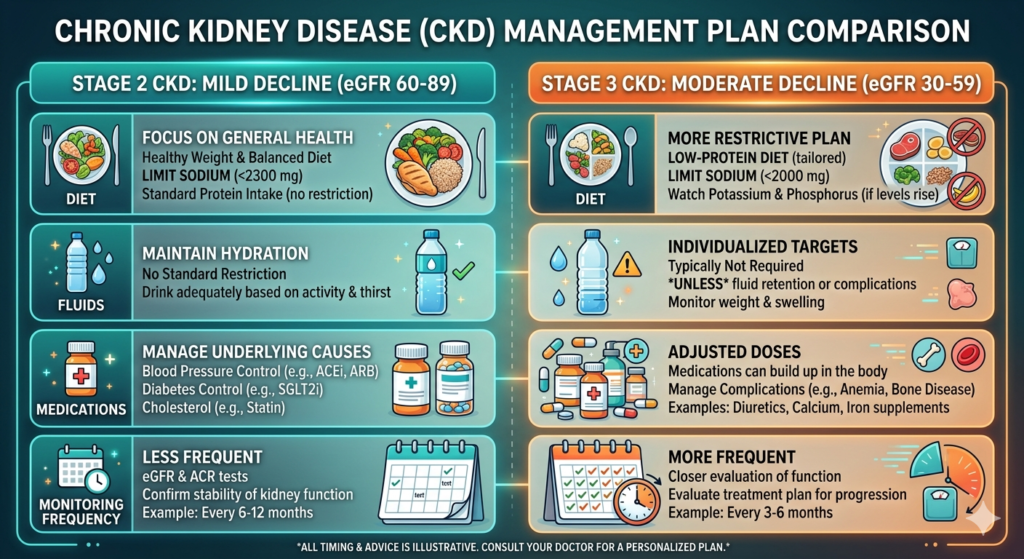
Managing Cat Kidney Disease at Each Stage
There is no cure for CKD. The kidneys do not regenerate. But the right management strategy at the right stage can slow progression, reduce symptoms, and add months or even years of comfortable life.
Stages 1 and 2: Early Intervention
At this point, the goal is to protect remaining kidney tissue and slow the rate of decline. Interventions include:
- Kidney-supportive diet. Prescription renal diets are lower in phosphorus and protein and higher in omega-3 fatty acids than standard cat food. The American Association of Feline Practitioners considers dietary management one of the most effective tools for slowing CKD progression. Transitioning a cat to a renal diet early, before she loses her appetite, is significantly easier than trying to switch foods when she already feels nauseated.
- Phosphorus monitoring and binders. If blood phosphorus remains elevated despite diet change, phosphate binder supplements are added to meals.
- Blood pressure management. Amlodipine is the most commonly used antihypertensive medication for cats with CKD-related hypertension.
- Increased water access. Water fountains, multiple bowls, and wet food all encourage fluid intake.
- Semi-annual bloodwork. Monitoring creatinine, SDMA, phosphorus, and potassium trends over time tells the veterinarian whether the disease is stable or progressing.
Stage 3: Active Management
Stage 3 is where most owners first notice something is wrong. The cat is clearly declining, and passive interventions are no longer enough. In addition to everything listed above, Stage 3 management often includes:
- Subcutaneous fluid therapy. This is one of the most impactful treatments available. Lactated Ringer’s solution is administered under the skin at home, typically every one to three days, to combat chronic dehydration. Most cat owners learn to give fluids at home after a brief training session at the clinic. Many cats tolerate it well, and the improvement in energy and appetite after a fluid session is often visible within hours.
- Anti-nausea medication. Maropitant (Cerenia) and ondansetron are commonly used to control the nausea that accompanies rising toxin levels.
- Appetite stimulants. Mirtazapine, available as a tablet or transdermal ear gel, can help maintain caloric intake in cats who are eating less.
- Potassium supplementation. Oral potassium gluconate or citrate replaces what the kidneys are wasting.
- Anemia management. In moderate cases, iron supplementation and dietary support may suffice. Severe anemia may require erythropoietin injections or, in acute situations, blood transfusion.
The transition from Stage 2 to Stage 3 is often where families first confront the reality that their cat has a progressive, terminal condition. This is a good time to have an open conversation with your veterinarian about long-term expectations, quality of life indicators, and your own emotional readiness for what lies ahead.
Stage 4: Comfort and Quality of Life
Stage 4 kidney disease in cats represents end-stage renal failure. More than 90 percent of functional kidney tissue is gone. The body can no longer adequately filter waste, regulate hydration, or maintain electrolyte balance even with aggressive intervention.
At this stage, treatment shifts from slowing progression to managing comfort. Subcutaneous fluids continue. Anti-nausea medications are adjusted or intensified. Appetite stimulants may still help some cats eat small amounts. Pain management becomes important, particularly if the cat develops mouth ulcers from uremic toxins or becomes reluctant to move due to muscle wasting and weakness.
Some cats stabilize in early Stage 4 for weeks or even a few months with diligent home care. Others decline rapidly. The trajectory is highly individual, and monitoring bloodwork and quality of life indicators together gives the clearest picture of where a cat stands.
Tooth Resorption and Its Connection to Kidney Health in Cats
One topic that frequently comes up during senior cat examinations is tooth resorption. Many owners search for information about why cats reabsorb teeth, and the condition deserves attention alongside CKD because both are overwhelmingly common in older cats and because untreated dental pain compounds the appetite loss that kidney disease already causes.
Tooth resorption (previously called feline odontoclastic resorptive lesions, or FORLs) occurs when the body’s own cells break down and absorb the tooth structure from the inside. It is estimated to affect over 50 percent of cats over five years of age. The cause is not fully understood, but the result is painful erosion of the tooth that often requires extraction.
A cat with both CKD and untreated dental disease faces a double burden: kidney-related nausea plus oral pain. Addressing dental disease, even in a cat with kidney disease, can significantly improve appetite and quality of life. Dr. Khabra tailors anesthesia protocols for CKD cats to minimize kidney stress during dental procedures, using kidney-friendly drug combinations and intravenous fluid support throughout.
Stage 4 Kidney Disease in Cats: When to Euthanize
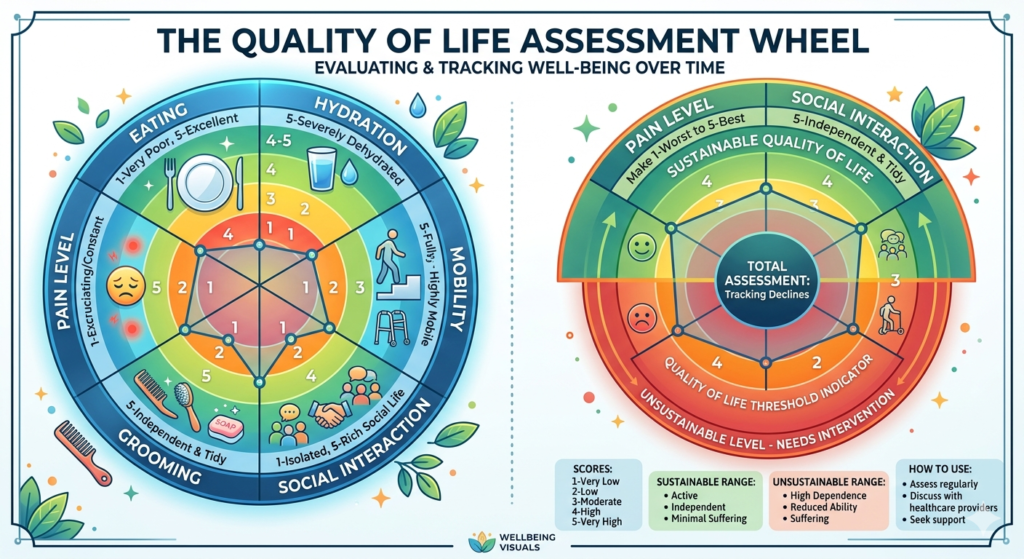
This is the question that brings most people to this page, and it deserves a thoughtful answer rather than a clinical formula. There is no single blood value, weight threshold, or behavioral marker that tells you with certainty that today is the day. The decision is a combination of medical reality and personal judgment, and it is rarely clear-cut.
What veterinarians and families look at together includes:
- Is the cat eating? Not just nibbling. Consuming enough calories to maintain body function. A cat who has not eaten voluntarily in 48 to 72 hours is in trouble.
- Is the cat drinking and holding down fluids? Vomiting after every fluid session or every meal eliminates the primary tools keeping the cat alive.
- Is the cat interacting with the family? Seeking attention, responding to voices, choosing to be in the room with people. A cat who hides consistently is withdrawing.
- Is the cat grooming? Even minimal grooming indicates a baseline of self-care. Complete cessation of grooming is a significant quality-of-life indicator.
- Is the cat in pain? Mouth ulcers, muscle wasting, inability to jump or walk comfortably, vocalizing, hunching posture.
- Are there more bad days than good days? This is the question that most veterinary hospice resources come back to. When the bad days begin to outnumber the good, quality of life is declining faster than treatment can offset.
The Cornell Feline Health Center notes that CKD is the leading cause of death in cats over 15 years of age, and that the decision to euthanize is among the most painful choices a pet owner faces. There is no “right” timeline. There is no “perfect” moment. Most veterinarians, including Dr. Khabra, will tell you that erring on the side of a day too early, when your cat still has some dignity and comfort, is kinder than waiting until suffering becomes undeniable.
If you are at this point with your cat, Del Paso Veterinary Clinic provides compassionate end-of-life care that includes quality-of-life consultations, pain management, and gentle euthanasia performed with the respect your cat deserves. Our detailed end-of-life care guide for Sacramento pets covers the full process including cremation options and grief support resources.
Case Study: Mochi the 14-Year-Old Siamese and Two Years with CKD
Mochi, a 14-year-old Siamese, was brought to Del Paso Veterinary Clinic in early 2024 after her owner noticed she was drinking more water than usual and had lost about a pound over the previous three months. She was still eating, still social, and still grooming. The owner almost did not bring her in because Mochi “seemed fine.”
Bloodwork told a different story. Mochi’s creatinine was 3.4 mg/dL and her SDMA was 29, placing her solidly in IRIS Stage 3. Her phosphorus was elevated, her urine was dilute, and her blood pressure was slightly high.
Dr. Khabra started Mochi on a prescription renal diet (wet food, which also increased her fluid intake), a phosphate binder mixed into her meals, and amlodipine for blood pressure. The owner was trained to give subcutaneous fluids at home every other day. Within two weeks, Mochi’s energy improved noticeably.
Over the next 18 months, Mochi’s kidney values rose gradually but remained manageable with adjustments to her fluid schedule and the addition of an appetite stimulant when her eating slowed down. She had dental work done at 15 to address two resorptive lesions that were causing her to drop food from one side of her mouth. The extractions were performed under a kidney-friendly anesthesia protocol, and her appetite improved markedly afterward.
By early 2026, Mochi had crossed into Stage 4. Her creatinine was 5.8, she was eating only small amounts, and she had begun hiding in the closet during the afternoons. The owner scheduled a quality-of-life consultation with Dr. Khabra. After an honest conversation about where Mochi stood medically and what the coming weeks were likely to bring, the family made the decision to let Mochi go peacefully. She was held by her owner in the exam room and passed without distress.
The family later told the clinic that they were grateful for the two years of management that followed diagnosis, and that having a veterinarian who was honest about both possibilities and limitations made the entire experience more bearable.
For cats in earlier stages of kidney disease, our senior pet wellness program includes the kind of regular monitoring that catches changes like Mochi’s before they become emergencies.
Frequently Asked Questions About Kidney Disease in Cats
-
How long can a cat live with stage 4 kidney disease?
Survival time in stage 4 varies widely. Some cats stabilize in early Stage 4 for several weeks to a few months with aggressive supportive care including subcutaneous fluids, appetite stimulants, anti-nausea medication, and dietary management. Others decline within days to weeks, particularly if complications like severe anemia, uncontrollable vomiting, or uremic crisis develop. The trajectory depends on how the individual cat responds to treatment and whether quality of life can be maintained.
-
What does stage 4 kidney disease in cats feel like for the cat?
Cats in Stage 4 CKD experience nausea from toxin buildup, dehydration despite fluid therapy, muscle wasting from protein loss, and often mouth ulcers that make eating painful. Many become lethargic and withdrawn. Some develop a distinctive chemical odor to their breath. While cats are stoic, these symptoms collectively reduce comfort significantly. Monitoring behavior closely, including appetite, social engagement, and willingness to move, gives the most reliable read on how the cat is actually feeling.
-
Can kidney disease in cats be reversed?
Chronic kidney disease cannot be reversed. Damaged kidney tissue does not regenerate. However, early-stage CKD can be managed effectively to slow progression and maintain quality of life for months or years. The key is early detection through routine bloodwork, ideally before clinical symptoms appear. Treatment focuses on protecting remaining kidney function through diet, hydration support, phosphorus control, and blood pressure management rather than restoring what has already been lost.
-
How much does it cost to manage a cat with kidney disease?
Costs vary based on the stage of disease and the intensity of management required. Early-stage CKD may involve dietary changes, periodic bloodwork, and blood pressure medication. Stage 3 and 4 management adds subcutaneous fluid supplies, anti-nausea medications, appetite stimulants, and more frequent lab monitoring. Your veterinarian can provide a realistic estimate based on your cat’s specific needs during the initial consultation. Payment assistance options are available to help manage ongoing care costs.
-
Should I still treat dental disease in a cat with kidney disease?
Yes, in most cases. Untreated dental disease, especially tooth resorption, causes chronic pain that suppresses appetite and reduces quality of life. These effects compound the appetite loss that kidney disease already causes. Dr. Khabra uses kidney-safe anesthesia protocols with intravenous fluid support and careful drug selection to minimize renal stress during dental procedures. Addressing dental pain in a CKD cat often produces a noticeable improvement in eating and overall comfort.
-
When should my senior cat start getting kidney screening bloodwork?
The American Association of Feline Practitioners recommends annual bloodwork including kidney values for all cats starting at seven years of age, and semi-annual screening for cats over ten. SDMA testing, which detects kidney function loss earlier than creatinine alone, should be included in every senior panel. Catching CKD at Stage 1 or early Stage 2, before any symptoms appear, gives you the widest window of intervention and the best chance of extending your cat’s comfortable years.
If your cat is drinking more, eating less, or losing weight, do not wait to see if it gets better. Call (916) 925-2107 to schedule a same-day wellness visit or kidney screening panel.