
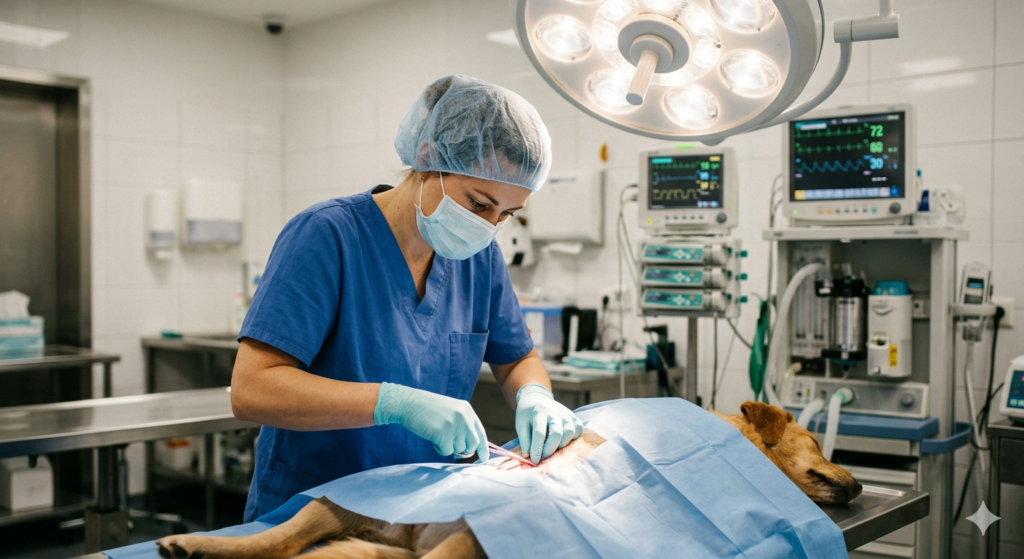
When your veterinarian says your dog or cat needs surgery, the first thing most Sacramento pet owners do is search for pet surgery near me and hope to find a clinic that can handle the procedure without a long referral chain. That search matters more than you might think. The difference between a clinic that performs surgery in-house and one that sends you to a specialty hospital across town can mean days of delay, higher costs, and added stress for a pet that may already be in pain. At Del Paso Veterinary Clinic, Dr. Khabra performs soft tissue, orthopedic, mass removal, and emergency surgeries on-site, including procedures that most general practice clinics refer out.
This guide covers the types of pet surgery available in Sacramento, what separates in-house surgical capability from a referral-dependent model, how to prepare your pet, and what recovery actually looks like at home.
Why Sacramento Pet Owners Need a Clinic That Performs Surgery In-House
Most veterinary clinics in Sacramento offer basic surgical procedures like spay and neuter. But when a pet needs something beyond routine sterilization, many clinics lack the equipment, training, or confidence to handle it internally. The result is a referral to a veterinary specialty center, which often means a two-to-four-week wait for a consultation, a separate facility with its own intake process, and a bill that reflects specialty-level overhead.
That model works when you have time. It does not work when your dog tears a ligament on a Saturday morning hike along the American River, or when your cat develops a rapidly growing lump that needs to come off before it spreads. Sacramento pet owners searching for animal surgery near me deserve to know up front whether their clinic can actually perform the surgery they need, or whether they will be sent somewhere else.
Dr. Khabra’s 18 years of surgical experience include fracture repair, cruciate ligament stabilization, mass excisions, foreign body removal, and a full range of soft tissue procedures. Having these capabilities under one roof means your pet’s pre-surgical bloodwork, imaging, surgery, and post-operative monitoring all happen in the same building, with the same team, on the same day in most cases.
Types of Pet Surgery Performed at Del Paso Veterinary Clinic
Not all surgeries are equal in complexity, risk, or recovery time. Understanding the categories helps you ask better questions and make more informed decisions when your vet recommends a procedure.
Soft Tissue Surgery
Soft tissue surgery covers everything that does not involve bones or joints. This is the broadest surgical category in veterinary medicine and includes procedures like bladder stone removal (cystotomy), intestinal foreign body retrieval, splenectomy, wound repair, abscess drainage, hernia repair, ear hematoma correction, and biopsies of internal organs.
Sacramento pets get into trouble with foreign bodies more often than you might expect. Dogs swallow socks, corn cobs, toys, and pieces of rope. Cats ingest string, ribbon, and hair ties. When a foreign object causes an obstruction, surgery is often the only option. The American Veterinary Medical Association reports that gastrointestinal foreign body ingestion is one of the top reasons for emergency soft tissue surgery in companion animals nationwide.
Soft tissue procedures also include emergency surgeries like pyometra (infected uterus) in unspayed female dogs and cats, and gastric dilatation-volvulus (GDV or bloat) in large-breed dogs, both of which are life-threatening without immediate surgical intervention.
Orthopedic Surgery
This is where Del Paso Veterinary Clinic stands apart from the majority of general practice clinics in the Sacramento area. Orthopedic surgery involves the bones, joints, ligaments, and tendons. Common procedures include fracture repair using pins, plates, or external fixation, cranial cruciate ligament (CCL) stabilization, luxating patella correction, and joint stabilization following trauma.
Most general practice veterinarians in Sacramento do not perform orthopedic surgery. They refer these cases to specialty hospitals, which adds cost and time. Dr. Khabra performs orthopedic procedures in-house, which means a pet with a fractured radius or a torn cruciate ligament can be evaluated, imaged, and scheduled for surgery at the same clinic, often within the same week. For owners searching for dog orthopedic surgery near me, this in-house capability eliminates the referral bottleneck entirely.
Cruciate ligament injuries deserve special attention because they are among the most common orthopedic problems in dogs. The cranial cruciate ligament in dogs functions similarly to the ACL in humans. When it tears, the knee becomes unstable, the dog limps, and without surgical stabilization, arthritis develops rapidly. According to the American College of Veterinary Surgeons, cruciate disease is the leading cause of hindlimb lameness in dogs, and surgical repair remains the gold standard for treatment.
Mass and Tumor Removal
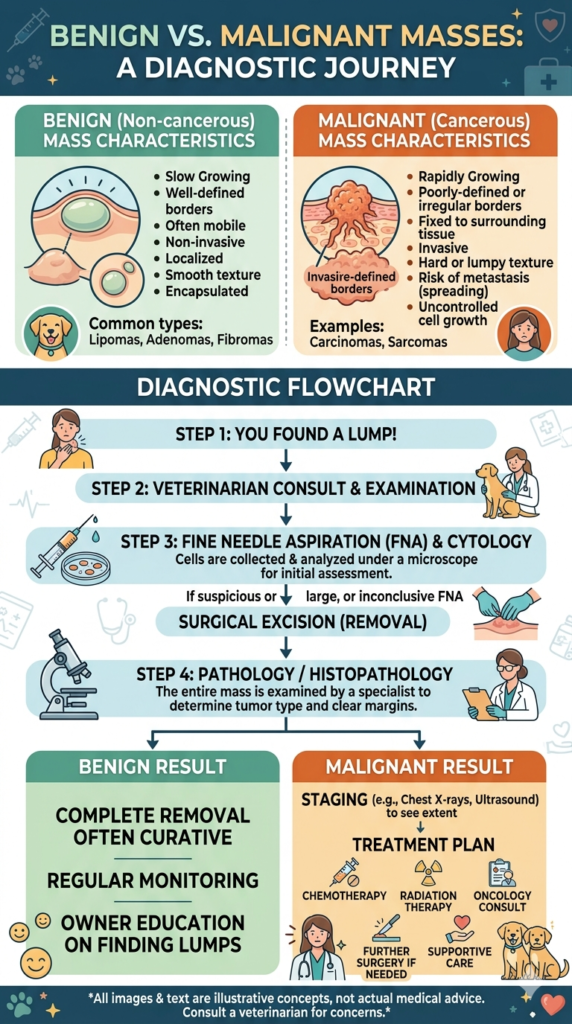
Lumps and bumps are a fact of life for aging dogs and many cats. Some are harmless lipomas (fatty deposits). Others are mast cell tumors, fibrosarcomas, melanomas, or other growths that need to come off quickly with clean surgical margins.
Mass removal surgery involves excising the growth along with a margin of healthy tissue to reduce the chance of recurrence. The removed tissue is typically sent to a pathology lab for analysis, which determines whether the mass was benign or malignant and whether the margins are clean. This information guides the next steps, whether that means monitoring, additional surgery, or referral for oncology consultation.
At Del Paso, pre-surgical evaluation for masses includes a fine needle aspirate (FNA) whenever possible, which gives Dr. Khabra preliminary information about the cell type before surgery. This helps plan the appropriate surgical approach and margin width.
Emergency and Urgent Surgical Procedures
Some surgeries cannot wait. A dog hit by a car with a compound fracture. A cat with a urinary obstruction that has not urinated in 24 hours. A large-breed dog bloating with a twisted stomach. These are situations where surgical access within hours, not days, determines whether the animal survives.
Sacramento pet owners looking for emergency spay near me or emergency surgical care during clinic hours should know that Del Paso performs urgent surgeries the same day whenever possible. Pyometra, for example, is a condition where the uterus fills with infection and can rupture if not removed surgically within hours of diagnosis. It often presents in older, unspayed female dogs, and delaying surgery is not an option.
The clinic’s in-house diagnostics and lab allow same-day pre-surgical bloodwork and imaging, which means the surgical team can move from diagnosis to operating table without waiting for outside lab results.
In-House Surgery vs. Specialty Referral: What Sacramento Pet Owners Should Know
One of the most common questions we hear from pet owners is whether their dog or cat should have surgery at a general practice clinic or at a specialty referral hospital. Both have their place. Here is how they compare for the most common surgical scenarios.
| Factor | In-House Surgery (General Practice) | Specialty Referral Hospital |
|---|---|---|
| Wait time for consultation | Same day to same week | 2 to 6 weeks typical |
| Surgeon familiarity with your pet | Your regular vet, who knows the pet’s history | New surgeon meeting pet for the first time |
| Pre-surgical diagnostics | Done in-house, same day | May require separate imaging appointment |
| Cost | Lower overhead, generally more affordable | Specialty markup, higher facility fees |
| Equipment for complex cases | Depends on the clinic’s investment | Advanced imaging (CT, MRI), specialists on staff |
| Post-operative follow-up | Same clinic, same team | May require travel back to referral hospital |
| Best suited for | Soft tissue, routine orthopedic, mass removal, emergency | Complex orthopedic reconstruction, neurosurgery, advanced oncologic surgery |
The key distinction is not “better or worse” but “appropriate match.” A fractured tibia that can be stabilized with a plate and screws does not require a board-certified surgeon at a teaching hospital. A straightforward mass removal does not need a surgical oncologist. For the majority of pet surgery Sacramento CA cases, a well-equipped general practice with a skilled, experienced surgeon offers faster access, lower cost, and continuity of care.
When a case genuinely requires specialty-level intervention, such as spinal surgery, total hip replacement, or complex reconstructive procedures, Dr. Khabra coordinates referrals and ensures your pet’s records, imaging, and lab work transfer seamlessly.
Case Study: Ranger the German Shepherd and a Torn Cruciate Ligament
In March 2026, a Sacramento family brought their six-year-old German Shepherd, Ranger, to Del Paso Veterinary Clinic after he began limping heavily on his right hind leg following a run at North Natomas Regional Park. The limp had started suddenly, and within 24 hours Ranger was barely putting weight on the leg.
Dr. Khabra performed a physical exam that included a cranial drawer test and tibial thrust test, both of which indicated instability in the right stifle (knee) joint consistent with a cranial cruciate ligament tear. Same-day digital X-rays confirmed joint effusion and early degenerative changes but no fracture.
The family had expected to be referred to a surgical specialist and was prepared for a multi-week wait. Instead, Dr. Khabra explained that he performs cruciate stabilization surgery in-house and that Ranger could be scheduled within the week. Pre-surgical bloodwork was run the same day through the in-house lab, and results came back normal.
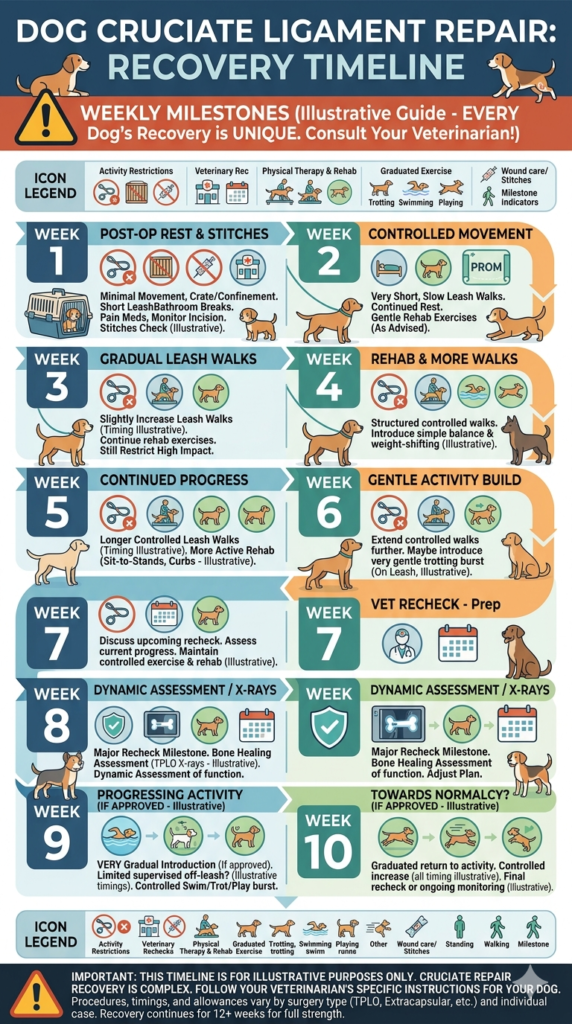
Ranger underwent surgery four days later. Dr. Khabra used a lateral suture stabilization technique, which is effective for dogs in Ranger’s weight range and activity level. Post-operative X-rays confirmed good implant placement. Ranger went home the same evening with pain medication, anti-inflammatories, strict activity restriction instructions, and a follow-up scheduled for 10 days out.
At his six-week recheck, Ranger was bearing full weight on the leg with no signs of instability. The family reported that he was already trying to run again, which required continued leash restriction until the eight-week mark. By week ten, Ranger was cleared for gradual return to normal activity.
The total time from first visit to full recovery clearance was roughly ten weeks. A specialty referral pathway would have added two to four weeks to the front end just for the consultation appointment.
What to Expect Before, During, and After Pet Surgery
Understanding the surgical process from start to finish helps reduce anxiety for owners and leads to better outcomes for patients.
Pre-Surgical Preparation
Every surgical patient at Del Paso receives a pre-anesthetic physical exam and bloodwork. The bloodwork screens for kidney and liver function, blood cell counts, clotting ability, and electrolyte balance. These results directly influence the anesthesia protocol Dr. Khabra selects for your pet. A dog with borderline kidney values, for example, will receive a different combination of drugs than a healthy young cat.
Fasting instructions vary by procedure. Most patients need to have food withheld for 8 to 12 hours before surgery. Water is typically allowed until a few hours before the procedure. Dr. Khabra provides specific instructions during the pre-surgical consultation.
For pets with chronic conditions who may be considering surgery later in life, our senior pet wellness program includes the kind of baseline diagnostics that make surgical planning safer and more predictable.
During Surgery
Del Paso uses five-parameter anesthesia monitoring: heart rate, respiratory rate, blood oxygen saturation, blood pressure, and body temperature. A dedicated technician monitors these parameters throughout the procedure and communicates any changes to Dr. Khabra in real time.
Surgical time varies by procedure. A straightforward mass removal may take 20 to 40 minutes. A cruciate repair may take 60 to 90 minutes. A complex abdominal surgery can run two hours or more. The team does not rush. Each procedure receives the time it needs.
Recovery and Aftercare
Most surgical patients go home the same day with a detailed discharge sheet covering pain medication schedules, activity restrictions, incision care, and warning signs to watch for. An Elizabethan collar (cone) is provided to prevent licking or chewing at the incision site.
The most common owner mistake during recovery is allowing too much activity too soon. A dog that feels better after three days of pain medication is not healed. Internal tissue repair takes 10 to 14 days for soft tissue procedures and six to eight weeks for orthopedic repairs. Premature activity can cause suture failure, implant loosening, or re-injury.
Follow-up appointments are scheduled at the time of discharge, typically at 10 to 14 days for suture removal and incision check, and at six to eight weeks for orthopedic patients.
How Pet Surgery Differs from Spay and Neuter Procedures
Pet owners sometimes assume that any vet who can spay or neuter a dog can also handle more complex surgeries. That is not always the case. Spay and neuter procedures are standardized, well-rehearsed surgeries that most veterinarians perform frequently. They are important, but they represent the entry level of surgical complexity.
Non-elective surgeries like foreign body retrieval, tumor excision, fracture repair, and emergency procedures require a broader skill set, different equipment, and the ability to adapt when findings during surgery differ from what imaging suggested. A mass that looked small on ultrasound may turn out to have deeper attachments. A fracture pattern may be more complex than the X-ray indicated.
If you are planning to have your pet spayed or neutered, our spay and neuter guide for Sacramento covers everything you need to know about timing, preparation, and recovery for those specific procedures. This blog focuses on the broader category of pet surgery that goes beyond elective sterilization.
How to Choose the Right Veterinary Surgeon in Sacramento
Not all clinics that list “surgery” on their website perform the same range of procedures. When evaluating a veterinary surgeon near me in Sacramento, ask these questions before committing:
- What types of surgery do you perform in-house? A clinic that only does spay/neuter and minor skin procedures is not the same as one that handles orthopedics, abdominal exploratory, and emergency surgery.
- How many years of surgical experience does the surgeon have? Volume and repetition build skill. Dr. Khabra’s 18 years of practice include thousands of surgical procedures across all categories.
- Do you have in-house diagnostics? Pre-surgical bloodwork and imaging done on-site means faster turnaround and better-coordinated care. Clinics that send bloodwork to outside labs may need an additional day before they can operate.
- What anesthesia monitoring do you use? The American Animal Hospital Association recommends multiparameter monitoring including pulse oximetry, capnography, ECG, blood pressure, and temperature. Anything less than five parameters is below current standards.
- What happens if there is a complication? Ask whether the clinic can manage post-operative complications in-house or whether you would be sent to an emergency hospital.
- Can I see the surgical suite? A clean, well-organized surgical area with modern equipment is a good indicator of the clinic’s investment in surgical quality.
For procedures that involve pet dentistry under anesthesia, such as extractions or oral surgery, many of the same surgical standards apply. Dental procedures require the same level of anesthesia monitoring and post-operative care as any other surgery, and they are often performed during the same anesthetic event as other minor procedures.
Frequently Asked Questions About Pet Surgery in Sacramento
-
Is pet surgery safe for older dogs and cats?
Age alone does not disqualify a pet from surgery. What matters is the pet’s overall health status, which is why pre-surgical bloodwork is so important. Older pets with well-managed chronic conditions often handle anesthesia and surgery without issue when the anesthesia protocol is tailored to their needs. Dr. Khabra adjusts drug choices, dosing, and monitoring intensity based on each patient’s bloodwork results and physical exam findings. Many 12- and 13-year-old dogs undergo successful mass removals and dental procedures with smooth recoveries.
-
How long does recovery take after orthopedic surgery on a dog?
Orthopedic recovery timelines depend on the specific procedure and the size of the dog. Cruciate ligament repairs typically require six to eight weeks of strict activity restriction, followed by a gradual return to normal exercise over the next four to six weeks. Fracture repairs follow a similar timeline. The most important factor in recovery is owner compliance with activity restrictions. Dogs that are allowed to run or jump too early risk implant failure or re-injury. Follow-up X-rays at six to eight weeks confirm whether bone healing is on track.
-
What is the difference between a lump biopsy and a mass removal?
A biopsy involves taking a small sample of tissue for microscopic analysis to determine what a growth is. A mass removal involves surgically excising the entire growth. In many cases, a fine needle aspirate is performed first to get preliminary information. If the aspirate suggests a concerning cell type, full surgical removal with clean margins is recommended. The removed tissue is then sent for histopathology, which provides a definitive diagnosis and confirms whether the margins are free of abnormal cells.
-
Can my pet eat before surgery?
In most cases, food should be withheld for 8 to 12 hours before surgery to reduce the risk of aspiration during anesthesia. Water is generally permitted until two to four hours before the procedure. Specific fasting instructions depend on the surgery type, the pet’s age, and any underlying conditions. Diabetic pets, very young animals, and small breeds may have modified fasting protocols. Your veterinary team will provide clear, case-specific guidance during the pre-surgical consultation.
-
Do you perform emergency surgery on the same day?
Yes. Del Paso Veterinary Clinic performs urgent and emergency surgeries during clinic hours when a pet’s condition cannot safely wait. Common same-day surgical emergencies include gastrointestinal foreign body obstruction, pyometra, traumatic injuries requiring wound repair or fracture stabilization, and GDV (bloat) in large-breed dogs. Same-day pre-surgical diagnostics, including bloodwork and digital X-rays, are completed in-house so that surgery can proceed without delay.
-
What should I watch for after my pet comes home from surgery?
Monitor the incision site daily for redness, swelling, discharge, or opening of the wound. Watch for signs of pain that are not controlled by medication, such as whimpering, restlessness, refusal to eat, or guarding the surgical area. Vomiting more than once after surgery, pale gums, lethargy lasting beyond 24 hours, or difficulty breathing all warrant an immediate call to your vet. Keep the Elizabethan collar on at all times, even when your pet seems fine. Most incision complications happen because the pet licked or chewed at the site when no one was watching.
If your pet needs surgery and you want it handled in-house by an experienced surgeon, call (916) 925-2107 to schedule a surgical consultation with Dr. Khabra.